
Eating for Brain Health: Nourishing Your Mind for Sharper Focus & Mood
As a GP and Nutrition Coach, Dr. Amy George reveals how specific nutrients and dietary patterns can nourish your brain for sharper focus, improved mood, and enhanced cognitive function.
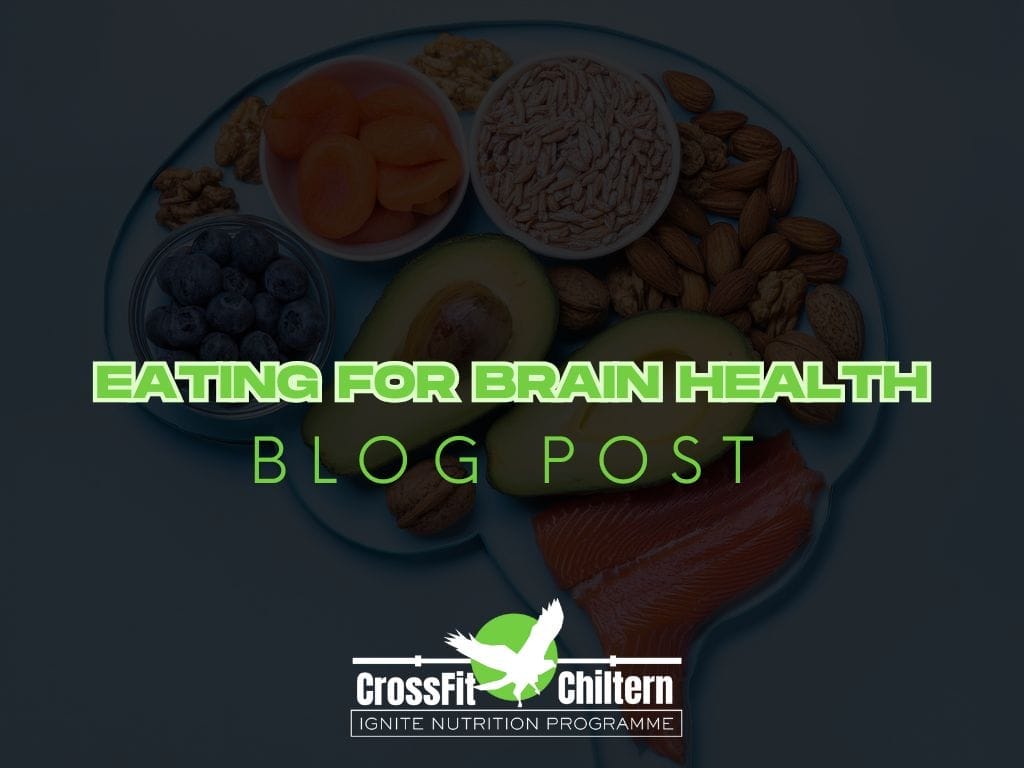
As a GP and an Ignite Nutrition Coach at CrossFit Chiltern, I know the profound impact of nutrition on our physical bodies – our muscles, our energy, our weight. But what many people, especially busy parents in Amersham, might not realise is the equally powerful connection between what you eat and the health of your brain, particularly when it comes to Eating for Brain Health.
Your brain, though only about 2% of your body weight, consumes a disproportionate amount of your daily energy and nutrients. It's constantly working – thinking, processing emotions, managing stress, and keeping you sharp. Just like a high-performance engine, your brain needs specific, high-quality fuel to function optimally. My goal here is to explain how nutrition impacts your cognitive function and mood, and to give you practical, actionable dietary tips to nourish your mind for sharper focus and improved well-being.
The Brain-Food Connection: Why Your Diet Matters for Your Mind
The link between your diet and your brain health is intricate and undeniable. What you consume directly influences:
Incorporating the principles of Eating for Brain Health into your daily routine can lead to significant improvements in cognitive function and overall mood.
- Neurotransmitter Production: These are the chemical messengers in your brain that regulate mood, sleep, focus, and memory. Many require specific nutrients (e.g., amino acids from protein, B vitamins).
- Brain Structure & Function: Healthy fats are crucial for brain cell membranes. Antioxidants protect brain cells from damage.
- Energy Supply: The brain needs a steady supply of glucose from carbohydrates. Fluctuations can lead to brain fog and irritability.
- Inflammation: A diet high in processed foods can cause inflammation throughout the body, including the brain, potentially impacting cognitive function and mood.
- Gut-Brain Axis: As we've discussed, your gut health profoundly impacts your brain via a complex communication system. A healthy gut microbiome supports mental well-being.
When your brain isn't getting the right fuel, you might experience brain fog, difficulty concentrating, mood swings, fatigue, and even increased stress.
Your Brain-Boosting Blueprint: Practical Dietary Strategies
You don't need exotic ingredients to eat for a healthier brain. The focus is on whole, unprocessed foods that provide a wide spectrum of essential nutrients. Here are 2-3 practical dietary tips you can implement immediately:
- Prioritise Omega-3 Fatty Acids:
- Tip: These are essential fats that are crucial for brain structure and function, and they have powerful anti-inflammatory properties.
- How to do it: Aim to include fatty fish like salmon, mackerel, sardines, and anchovies (SMASH fish!) 2-3 times a week. If you're not a fish-eater, consider flaxseeds, chia seeds, and walnuts, or a high-quality Omega-3 supplement (consult a professional for dosage).
- Load Up on Antioxidant-Rich Fruits & Vegetables:
- Tip: These protect your brain cells from damage caused by free radicals, which can contribute to cognitive decline.
- How to do it: "Eat the rainbow" every day. Focus on dark leafy greens (spinach, kale), berries (blueberries, raspberries – especially dark ones), colourful bell peppers, and broccoli. These are packed with brain-protective compounds.
- Choose Complex Carbohydrates for Stable Energy:
- Tip: Your brain needs a consistent, steady supply of glucose. Avoid the energy rollercoaster from refined sugars.
- How to do it: Opt for whole grains like oats, brown rice, quinoa, and sweet potatoes. These provide sustained energy and fibre, supporting stable blood sugar levels for optimal brain function.
- Ensure Adequate Protein Intake:
- Tip: Protein provides the amino acids that are the building blocks for neurotransmitters, which regulate mood and cognitive processes.
- How to do it: Include lean protein sources (chicken, fish, eggs, legumes, Greek yogurt) at every meal. This also helps stabilise blood sugar.
- Nurture Your Gut Health:
- Tip: A healthy gut microbiome is directly linked to better mood and cognitive function via the gut-brain axis.
- How to do it: Incorporate fermented foods like plain Greek yogurt, kefir, or sauerkraut. Increase your intake of diverse fibre from fruits, vegetables, and whole grains to feed your beneficial gut bacteria.
By consistently applying these dietary strategies, you're not just feeding your body; you're actively nourishing your brain, supporting sharper focus, improved mood, and greater mental resilience. This holistic approach is a cornerstone of our Ignite Nutrition Programme.
Ready to Nourish Your Mind for Sharper Focus & Mood?
If you're an Amersham parent experiencing brain fog, struggling with focus, or simply want to support your mental well-being through powerful nutrition, understanding and optimising your diet for brain health is a transformative step.
Book a Discovery Call today with one of our team!
We'll help you explore your nutritional needs and guide you towards a sustainable path to optimal health, ensuring you're nourishing your brain from the inside out.
[Link: https://kilo.gymleadmachine.com/widget/booking/sdUjnJkKy9dGRSLzEGzz]
Because a healthy mind starts with a well-nourished body.